
How to Identify and Treat Common Tree Diseases in Morristown, VT?
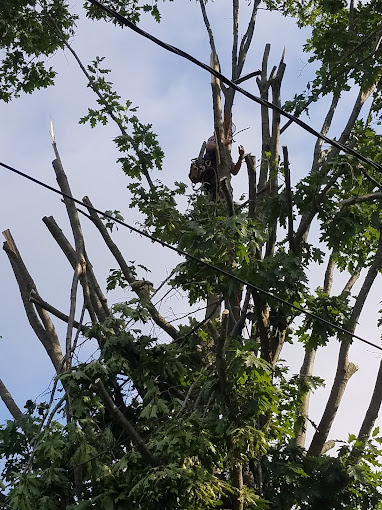
Morristown has a wide variety of trees. You can have residential trees like sugar and red maples, easter white pines, red pines, oaks, etc., and more. These trees can, however, face various diseases.
Common Morristown tree diseases include beech lead disease, wilts, and root rots. Other diseases include anthracnose, needle cast diseases, and cankers. You will notice various symptoms that will help you take early steps.
If you notice signs, it’s important to take professional help. They will help you identify, treat, and prevent diseases.
7 Common Diseases and How to Diagnose Them
These diseases can be fatal if not treated in time. Therefore, as a tree owner, you must take early steps. Here is how you can identify them:
Beech Leaf Disease
Beech leaf disease attacks the leaves of beech trees through a microscopic worm called a nematode. Look for dark bands between leaf veins, followed by withering and leaf drop. Trees show symptoms in spring with leaves becoming crinkled and thin.
This tree disease progresses yearly, with young trees dying within 6 years. No true cure exists, but arborists may try trunk injections. Removing fallen leaves helps limit spread, while maintaining tree vigor through proper watering and mulching improves survival chances.
Wilts
Wilts block water movement in a tree’s vascular system. It causes branches to quickly die back. The most well-known is Dutch Elm Disease, which has killed countless elms across Vermont. Thin crowns and yellow leaves that suddenly wilt are key signs.
The fungal disease spreads through bark beetles or root grafts. Prevention focuses on promptly removing infected trees, treating valuable specimens with fungicide injections, and planting resistant varieties. Once infected, little can be done except removing the tree to protect neighbors.
Anthracnose
Anthracnose affects many hardwood trees in Morristown, particularly maples and oaks. This fungal infection causes brown dead areas along leaf veins and premature leaf drop. Cool, wet spring weather worsens outbreaks. Most trees recover without treatment, though repeated infections weaken trees.
Good sanitation practices like raking fallen leaves reduce reinfection. Improve air circulation through proper pruning. Fungicide sprays help valuable trees but aren’t practical for large specimens. Most trees bounce back with proper care.
Needle Cast Diseases
Needle blight affects evergreens, particularly spruce trees common in Vermont. These diseases cause needles to develop yellow or brown spots before dropping prematurely. Different fungi that infect specific tree species, with spruce most vulnerable in Morristown.
Look for browning of older needles while new growth remains green. Disease identification requires noting which year’s needles show damage. Fungicide treatments work if applied before infection. Proper spacing between trees and avoiding overhead watering help prevent spread of these needle diseases.
Root Rot
Root rot destroys a tree’s foundation, often seen first as declining crowns and stunted growth. Several pathogens cause this condition, with annosum root rot common in Vermont pines.
You should look for mushrooms at the tree base, declining vigor, and trees suddenly falling over. Once infected, no cure exists. You can take actions for Prevention, though. You need to avoid injuries to tree roots, not piling mulch against trunks, and ensuring proper drainage. Root infection sometimes spreads through connected roots.
Butternut Canker
Butternut Canker threatens Vermont’s butternut population and is nearly always fatal. This fungal disease affects trees by creating elongated dead areas on branches and trunks. Black fluid often oozes from these areas in spring.
The canker eventually girdles branches and trunks, killing the tree. No effective treatment exists, which makes this often lethal to infected trees. Researchers work to identify resistant trees for breeding programs. The best approach is documenting surviving trees that show resistance to help conservation efforts.
Dutch Elm Disease
Dutch Elm Disease remains one of Vermont’s most destructive tree health issues. This fungal invader enters when elm bark beetles carry spores to healthy trees. Trees show wilting and yellowing leaves on single branches, progressing to full crown dieback within 1-3 seasons.
Prevention includes treating valuable trees with fungicide injections every few years and controlling beetle infestation. Some resistant elm varieties now exist. Symptoms include yellowing leaves on single branches that quickly turn brown. Remove infected trees quickly to protect others nearby.
Call Iconic Tree Care for Professional Tree Disease Treatment
When tree disease problems threaten your property, Iconic Tree Care helps. We help with both fungal and pest disease treatment. Our experts accurately diagnose tree issues from common plant diseases to little leaf diseases. We provide effective treatment options that prevent tree mortality while keeping the cost of treatment affordable. Call 802-523-2352 for a free estimate and protect your trees today. We help with maintenance of pines, oaks, sycamores, tulip poplars, ash trees, and any other local ones.
Final Words
Tree diseases can devastate your landscape quickly. Early detection matters. Look for unusual leaf rusts or powdery spores during leaf expansion. The treatment varies upon the type of problem affecting your trees and shrubs. Chemical injury and man-made wounds can damage vascular tissue and prevent new branches from growing properly. Professional help ensures proper diagnosis and treatment before it’s too late. Learn more about the importance of regular tree maintenance.